
Parenting

Do You need a Mediator?

As our children age, their sharing with us shrinks, and our need to understand them grows. Misunderstandings mount from lack of communication. They want freedoms we aren’t ready to give, and resulting arguments weary us.

How do we break barriers and listen to each other? One son initiated a method that I later learned was common. He brought in his teddy bear as a mediator.

One evening, Teddy* came and said, “Grandperson, Bob* is upset with you?”

“Why?” I asked.

“He thinks you are unfair.”

“How am I unfair?”

The conversation continued as we patiently listened to each other.
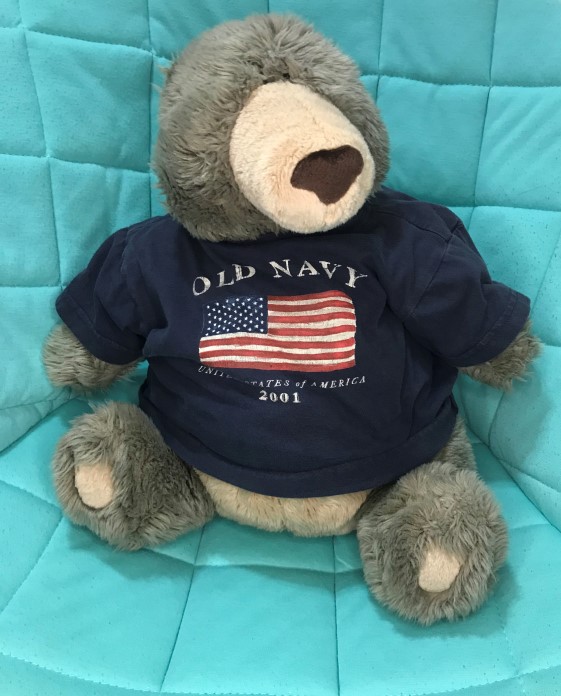
Teddy, our mediator, had a disarming voice and a sweet way of saying Grandperson.

A friend tried this with her son and reported, “It works because you can’t fuss at a teddy bear, and it doesn’t fuss back.”

I shared my experience with another friend. “It is not a new trick,” she said, “but I am always amazed that it works.”

Was this a gimmick? I don’t think so. I think it was a way of breaking bad communication patterns. Variety helped us listen carefully because talking through a teddy bear was unpredictable. And fun.

*Pseudonyms.

What listening techniques have you explored?

Book Recommendations, Parenting

Guitar Notes by Mary Amato (Reprise)

One of my favorite novels has characters who lie, sneak around, and steal. As their lives unfold, we learn their behavior is because they are angry, wounded teens who can’t communicate their pain.

Even though the writing is superb—actually I think it is brilliant at points—Guitar Notes by Amato would not be a favorite if the responsible adults were portrayed as the bad guys. Early in the book, the discerning reader knows that caring parents and teachers are doing what they think is best for the children—given their limited understanding.

Do not be deceived. Your children are carrying hidden pain because it is inescapable in this fallen world.  It helps all to read and discuss books with messy relationships. However, I believe that the story’s resolution should not condone or reward bad behavior, or ridicule or punish good behavior. That is one of my tests for what is acceptable—not the honest, raw conflict along the way.

How have you set standards for your family’s reading?

Friendship

Be the First To Ask For Help

I had three preschoolers. My nearby friend had more preschoolers. I was overwhelmed many times. She was overwhelmed most of the time. When I ran errands, I occasionally offered to include hers. She always declined.

One morning, I wanted mulch. Our house was for sale and potential buyers were coming that afternoon. Mulch would significantly improve our curb appeal, and I didn’t have the car that day.

During a quick morning phone conversation, my friend mentioned she was taking all—yes all—of her small children shopping at a garden center. At that moment, I realized I was desperate enough to ask her to bring me mulch. My friend drove up a couple hours later with three oversized bags, which I immediately spread under our azaleas.

More than mulch, she brought a new attitude. My future ofers to help were embraced. Why? I don’t know. Maybe my friend realized that adding her items to my cart would not impose. Whatever the reason, our friendship grew from my mulch request.

It didn’t stop there. Other friendships grew when I was vulnerable to ask for needed help.

Is it easy for you to request help?

Homeschooling, Memories, Parenting, Photos

Clutter? Photos Help

An experienced mom had learned how to fight the clutter battle, and I took her “take a photo” advice to heart.

My boys built Usborne Cut-Out models of a Viking town, Roman villa, Roman amphitheater, multiple castles, knights’ masks and more. They enjoyed their results.

However, you can’t keep that stuff around. When the models had served their purpose and then hung around a bit longer, I took a photo and we moved on.

Crusader Castle 2001

The advice prevented arguments and showed respect for the boy’s efforts. Not only did I have years of clean surface areas, nineteen years later, I have reminders of projects that would have crumbled and been tossed by now.

This system works today. My sentimental family members are more likely to toss something if they take a photo before parting.

Do you have a method for making it easier to part with sentimental items?

Homeschooling

Examine Advice

“I can’t tell you everything we’ve learned. You’ll compare my friend’s children to mine, and penalize them. She isn’t teaching as much.”

When I reviewed homeschoolers’ portfolios for the local public school system, I was shocked and saddened to hear this disinformation. The only standard for evaluation was the state homeschool law.

“Why do you believe this?” I asked about this and other erroneous statements.

“The leader of my support group warned me,” or “I read it in a magazine.”

What did I learn along the way?  Respected leaders both knowingly and unknowingly gave bad advice. Most expressed legitimate concerns, but some operated out of fear. Others had agendas: increased membership or profits from their products.

Our public school system did not want conflict. Neither did it have the resources to make homeschoolers’ fears come true.  My supervisor believed in the value of homeschooling.

What did I do? I became wiser in my carefulness. I particularly examined advice that produced fear or advised secrecy. It’s common sense but easy to forget when you are passionate about a cause. Even homeschooling. I did.

Be wise as a serpent, yet innocent as a dove.

Matthew 10:16 ESV

What advice have you questioned?