
Friendship, Parenting

Emotional Vulnerability

A broken washing machine made me realize that I had friends I would impose on and friends I wouldn’t. (See Dirty Laundry Vulnerability Here.)

After I explained the dirty laundry versus non-dirty laundry friend distinction to a dear prayer partner, she replied, “Same goes with your emotional dirty laundry.” During the rest of our conversation, we referred to several prayer items as “emotional dirty laundry.”

I thought about our conversation as I checked off errands that day. I wanted to be the friend that could accept someone’s emotional dirty laundry, even if I couldn’t make it clean. I wanted my friends to know they were safe with me.

More importantly, I wanted to be the mother whom my children saw as safe to handle their emotional dirty laundry. During most of their childhood and adulthood, they only brought me their physical laundry to sort and clean. Focusing on my to-to list—including physical laundry—created barriers to emotional laundry.


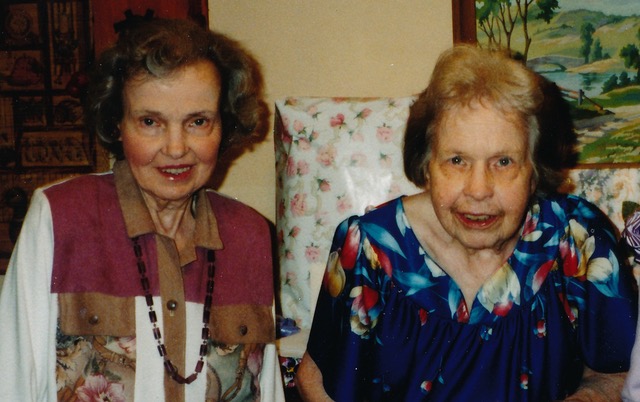
Katie and I have been giving each other our emotional dirty laundry for almost three decades. (CHAP Homeschool Convention 2014)

How is your emotional dirty laundry? Giving? Receiving?

Homeschooling, Parenting

They Didn’t Do It All

My precious grandmother would have been 110 this year. In 1998, I flew to Tennessee to celebrate her 88th birthday. On the plane, I decided to ask a great-aunt how she juggled raising two daughters with church and community responsibilities. I don’t know why I chose Aunt Dottie. I liked her, but we were not close. Maybe because she was kind, cheerful, patient, modest, long-suffering, and—as an empty nester—she had started a successful home business.

My opportunity was short. I remember the exit of the restaurant parking lot where I started the conversation. I remember how much my grandmother and her sisters were looking forward to the take-out fish dinner we were bringing. More intensely, I remember Aunt Dottie’s answer and what it provoked: vindication and regret.

I didn’t take on additional responsibilities,” she said. “None of us did. We didn’t expect that of each other until our children were older.”

I had wrongly accepted the unrealistic expectations of others and myself. Women have come a long way since Aunt Dottie’s child-raising days, but we have also regressed. I wish I had asked sooner.

Great-aunt Dottie and my grandmother (1998)

Do you have an untapped source for advice?

Parenting

Goals: Wishing, Practical, Backup

My sons had not only graduated high school, but also college, when I heard thoughtful, helpful advice about goals.  A cousin’s college goals were too ambitious, but we never want to discourage big dreams, do we? God can make them happen if it’s his will.

My cousin’s guidance counselor told her to have three college goals: a wishing goal, a practical goal, and a backup goal.  The vocabulary reflected reality, not judgment.

Wishing should be encouraged. Practical is important. Having a backup means you have planned well.

Thinking about wishing, practical, and backup goals showed me another truth. Wishes can soar higher when you have two nets to catch you: practical and backup.

While raising children, I wish I had known this excellent way to encourage our collective and individual dreams and yet ground our hopes.

One of my wishing goals was met: Mt. Denali, Alaska, June 2013. Our guide estimated that only 10% of tourists view the mountain due to prevalent clouds. (Advertisements say 30%.) This photo was taken at the moment I was closest to North America’s highest point.

Any new wishing goals while considering practical and back-up ones?

Money, Parenting

Best Use of Our Dollars

How often have you lied to your children by saying, “We can’t afford it?” Never?  I thought so until my children called me on it. (I thought the same about my parents, but I kept my mouth closed.)

Most of the time, we can afford most of our children’s requests. “We can’t afford a new computer,” we say and then we buy a new lawn mower.  We didn’t lie, we protest. Yes, we did. We could have afforded the computer by not buying the lawn mower. When our food budget was stretched, we could have afforded the cookies by putting back the milk.

I learned to say—but not often enough—“Cookies are not the best use of our food dollars.” “Name brand jeans are not the best use of our clothing dollars.”  “Bringing homemade sandwiches to eat at a rest area instead of buying fast food is a better use of our vacation dollars.”

“Better or best use of our dollars” not only speaks truth—given our adult preferences—but re-enforces scarcity, a concept even a small child can understand.

Do you have alternative words for “We can’t afford it?

Homeschooling, Parenting

I Need Holding Help

For weeks, I listened to a tough, tender, former Army Ranger instruct his children.  “Do not say, ‘I can’t.’ Instead, say, ‘This is hard. I need help.'”  He drilled his children. “Yes, you can. It may be hard. You may need help, but you can do it.”

One Saturday, I was hiking a rain forest in Brazil with this cousin and his four children. We had strayed from the main trail in order to explore, and the miles were adding up. The almost-four-year-old turned to me and said, “This is hard. I need help.”

“What kind of help?” I asked.

“Holding help.”

I picked him up and carried him for a while.

I took hold of my cousin’s response to “I can’t.” It acknowledges the hard we face. It avoids the argument about whether something can or cannot be done. It supplies a solution.

Trails in Guaratiba, Brazil where my cousin’s preschool son required “Holding Help.” (I am in the pink top.)

Do you need holding help for your hard? Does someone need your holding help for their hard?