
Book Recommendations, Decisions

Mini Habits: Guest Blog

Beth Sterne* shares what she has learned about breaking bad habits.

Mini habits make success and permanent change attainable. Stephen Guise explains a small-step approach in Mini Habits: Smaller Habits, Bigger Results.

The goal is to change your brain with repetition.

Force yourself to take 1-4 strategic actions daily.  (Ten minutes max, all together) These actions are too small to fail or to skip. Mini goals should be “stupid small.” You succeed when you do that small thing.

You may do more, but no more is required. Do not raise the goal.

Guise’s brain resisted a 30-minute workout. One push-up? His brain agreed. He now does full workouts. He requires himself to write 50 words per day; he usually writes two thousand. Success is one push up and fifty words. Doing a little bit daily has more impact than doing a lot on one day.

A big push day ends. A little bit daily grows into a lifelong habit.

The subconscious does not fight small steps. Taking one step at a time, you cooperate with the subconscious – while transforming it. You’ve sneaked into the control room.

What mini habit will you start?

* Beth blogs at https://putoffprocrastination.com

Christmas, Decisions

Planning Questions

One Christmas, I used some excellent planning advice. I asked each family member which minor Christmas tradition was most important. If I had to streamline, why remove a favorite?

After twenty-five years, I vividly remember one request—keep the candy dish. The Christmas before, I had filled a crystal wedding present with assorted wrapped candy.  Nice candy. Each child was allowed to pick one piece a day during Advent. I had forgotten the candy dish and did not think its one appearance constituted a tradition. However, a small heart did.

To reduce Thanksgiving cooking, a friend asked her family which dishes meant the most. She received her answers, and advice. “Mom, we like the store-bought dressing better than your homemade. Serve that.”

For over a decade, I served a cranberry coffee cake Christmas morning. It was eaten without much comment. Two years ago, a son living in another state mentioned how much he loved it and couldn’t wait to taste it again. That reminded me to ask as well before making any menu changes.

Along the way I learned not to assume which food or traditions were important to my family.

Which questions might reduce your holiday busyness?

Decisions, Parenting

Decisions? Be Random

The lot puts an end to quarrels and decides between powerful contenders.

Proverbs 18:18 (ESV)

Uneven voting (Here) and taking surveys (Here) improved some parenting decisions. However, I found that versions of drawing straws or casting lots sometimes brought the best decision. Why would randomness do this?

Along the way, I learned that my sons didn’t care about the particular outcome of decisions as much as their bickering indicated. They simply wanted fairness.  Did my choices show equal love or respect or whatever they wanted at that moment? Or did I show favoritism?

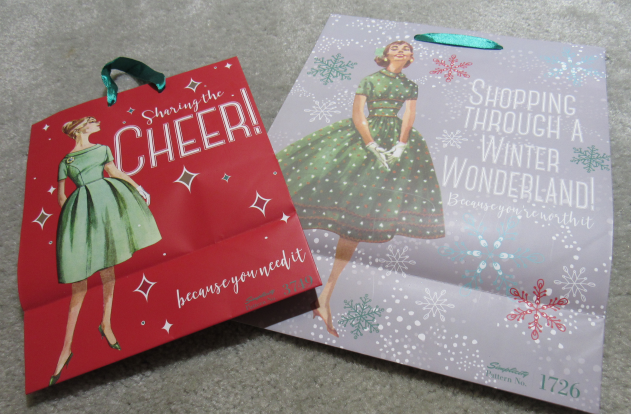
At Christmastime, we exchanged inexpensive stocking stuffers with extended family.  However, in our case it was a decorated, brown grocery bag that was stuffed. As hosts, we were the bag decorators. My boys had favorite relatives, and every year, arguments ensued as to who would decorate certain bags.

One afternoon after I had recently re-read Proverbs 18:18, I tested the statement. I put the names of aunts, uncles and cousins in a jar and the boys drew their “lot.” Complaints ceased and peace reigned. I wish I had chosen that strategy years earlier.

How do you discern which sibling arguments are about favoritism?

Decisions, Parenting

Family Voting

Making the best decisions occasionally required knowing the preferences of my children. Besides a survey—see Take a Survey Here—an uneven vote was another way I infrequently collected information. A side benefit was making voting a familiar part of my sons’ lives.

I might say, “We are taking a vote to help us make a decision. Each of you gets one vote. Three votes total. Daddy and I get two votes each.  Four votes total. Which would do you prefer? Camping at Point Lookout or camping at Catoctin Mountain?”

This only works if you are undecided. If parents are unified and have strong preferences, an uneven vote would be cruel. Children’s votes are automatically overruled. 

You can also assign one parent more votes than the other or one child more votes than siblings depending on the type of decision and who has the most at stake.

At least two of our children received their preference because either my husband or I voted with the majority.

Have you experimented with creative voting?

Decisions, Parenting

Take a Survey

Sometimes my decisions depended my children’s momentary interests or their current stamina. How could I acquire this information without giving an unhealthy impression of who was in charge of our family? I took surveys when the boys were young.

I would say, “This is not a vote. I am making the decision. It is a survey, which will influence my decision. Would you boys rather go to the park and have a picnic by the lake or have a picnic in the backyard and have time to bike later?” “Would you rather unload the dishwasher or help Daddy outside?”

Depending on your child’s age, you might need to explain that a survey is a research method used to collect specific information from particular people. Car manufacturers conduct surveys to determine which features car buyers expect on new cars.

One adult son used this technique on me when he needed outpatient surgery. One recovery option was for me to make a six-hour, round trip drive and bring him to our family home for recovery. “This is not a vote,” he began. “It is a survey. Would you rather I recovered here or ….”

How do you receive necessary input for your decisions?