
Basics, Sharing Stories

The Greatest Story Was Told

Along the way, I keep learning the value of passing down important information, especially through stories. (See Here.)

This Sunday, as we celebrate the resurrection of Jesus Christ, how do we know its significance and the pertinent facts? Someone told the story.

It seemed good to me also, having followed all things closely for some time past, to write an orderly account most excellent Theophilus, that you may have certainty concerning the things you have been taught.

Luke 1:3-4 (ESV)

Through Luke—and others—God made sure that the life of Jesus was recorded.

While homeschooling, I used the genealogy of Genesis to construct a time line. What surprised me the most? The life of Noah’s father, Lamech, and the life of Adam overlapped by 56 years. Lemech possibly listened to Adam’s first-hand accounts of the Fall and the promise of a Savior.

The long life of Adam—930 years—allowed his knowledge to be given to a multitude of people for centuries.

We continue the blessing as we accurately tell the good news,and add our own accounts of God’s faithfulness.

Which stories are you passing along this week?

Memories, Parenting, Sharing Stories

Stories Impart Value

Memories impart value. (See Here.) Recently, I pondered how stories are secondhand memories, and therefore, also impart value.

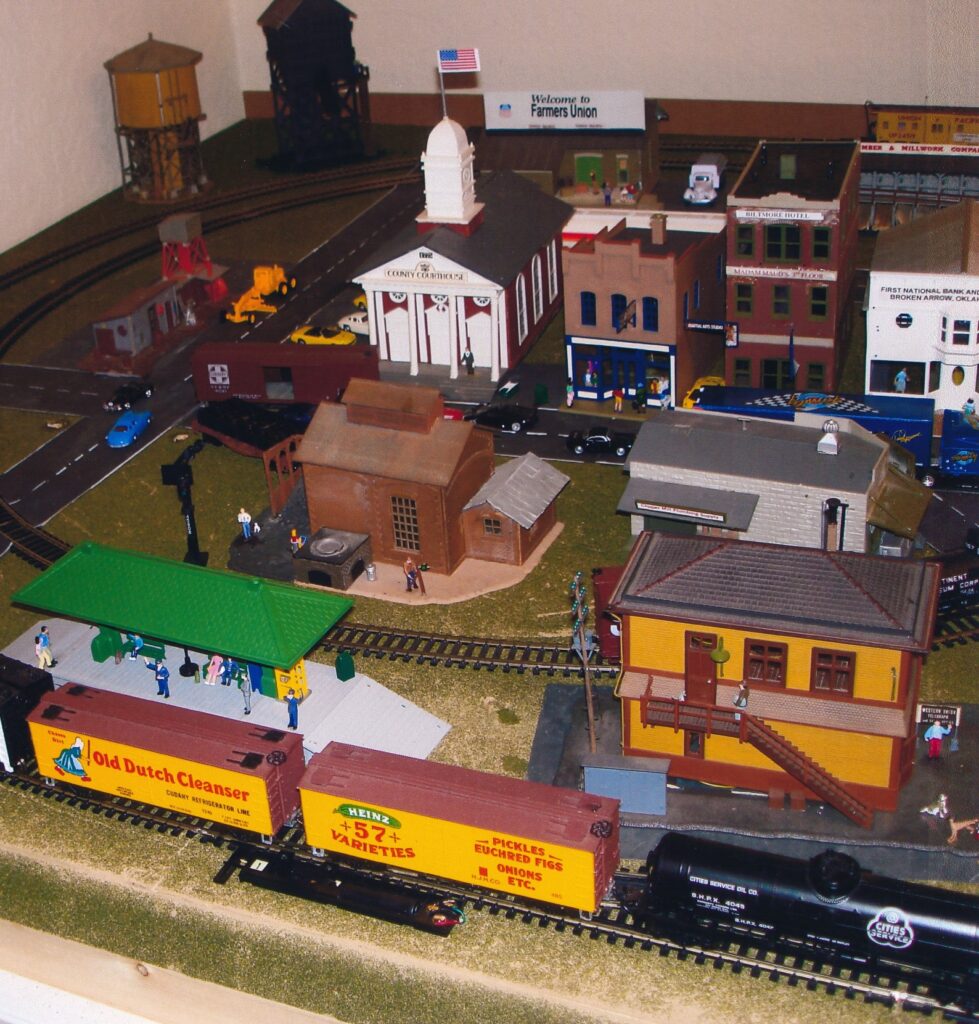
When my uncle showed me his train set, he told how he had constructed certain components—including failed attempts. Certain cars and scenes represented events in his life. The hobby also provided a distraction when he was depressed. His stories drove me to find appreciative new owners after he passed.

My uncle’s passion

Many of my uncle’s possessions, which I inherited, had neither memories nor stories. Who used the antique butter churn? What was the origin of the cast iron coffee table?  My brother recognized the cast iron cobbler’s stands and shoe forms as residing on my grandparents’ hearth before their death, but who used them?

With limited time and space, memories—both firsthand and secondhand—drove decisions. Based on my brother’s recognition, the cobbler stands made the trip to my home. Later research showed that my great-great-grandfather was a shoemaker.

Along the way, I learned I must tell others my stories about heirlooms. And ask for stories so I can make better decisions in the future. *

Are you curious about an heirloom?

*I’m perusing The Stories We Leave Behind by Laura Gilbert.

Family, Memories

Memories Impart Value

Along the way, I learned that memories impart value.

My uncle bequeathed me the contents of his home. As I packed china and depression glass and debated shipping furniture, my brother held out an item.

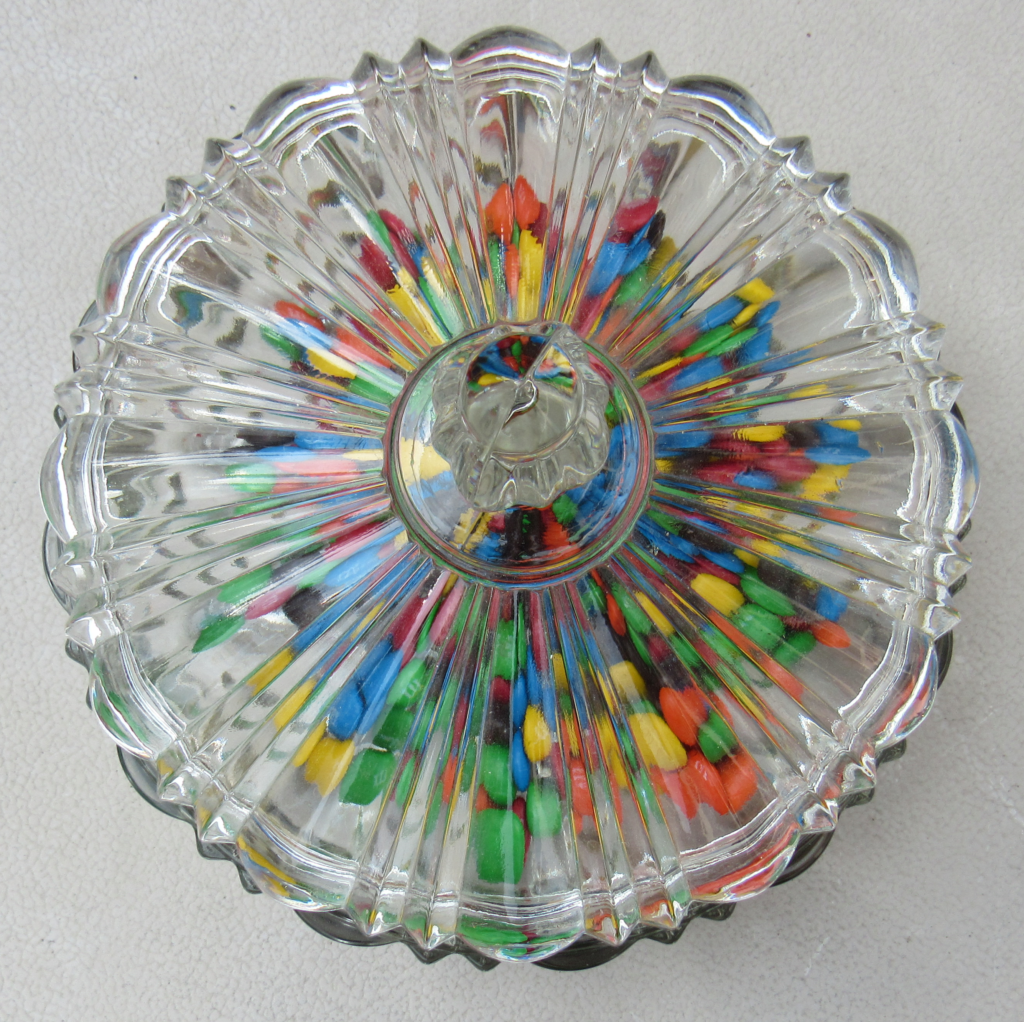
Is this the M&Ms dish?

“Yes,” I said without hesitation. I remembered its place by my grandfather’s recliner and the forbiddeness of snitching a chocolate morsel.

My brother remembered the too-loud clank of the glass lid when he was naughtier or perhaps braver than me.

I carefully packed the M&Ms dish, and later cried when another tried to claim it.

Look what I found.

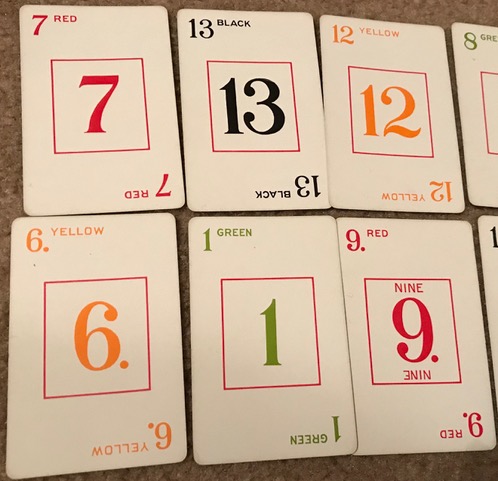
This time my brother held out Rook cards, the same vintage as my parents’ cards.

The colored numbers brought back images of my parents playing Rook with their friends. Once, I got in trouble for peeking over shoulders and announcing a player’s hand. I felt like an adult when I was old enough to play Rook with my siblings.

My brother happily packed the Rook cards.

What made two objects—costing less than $20 each—priceless? The memories.

I wonder which objects my boys will eventually claim. (See Their Memories, Not Yours Here.)

Do any objects invoke your childhood memories??

Homeschooling, Parenting

A Teachable Moments Perspective*

I ended my last blog with the question How do you decide whether to ignore or seize a teachable moment? (See here.)

Kathleen, one of my favorite moms, responded with her answer. Seize when your children are interested.

I never had a problem with my mom’s teachable moments, but I’ve never cared for my dad’s. I think the difference in their cases is that my mom taught when WE were interested; my dad taught when HE was interested. 

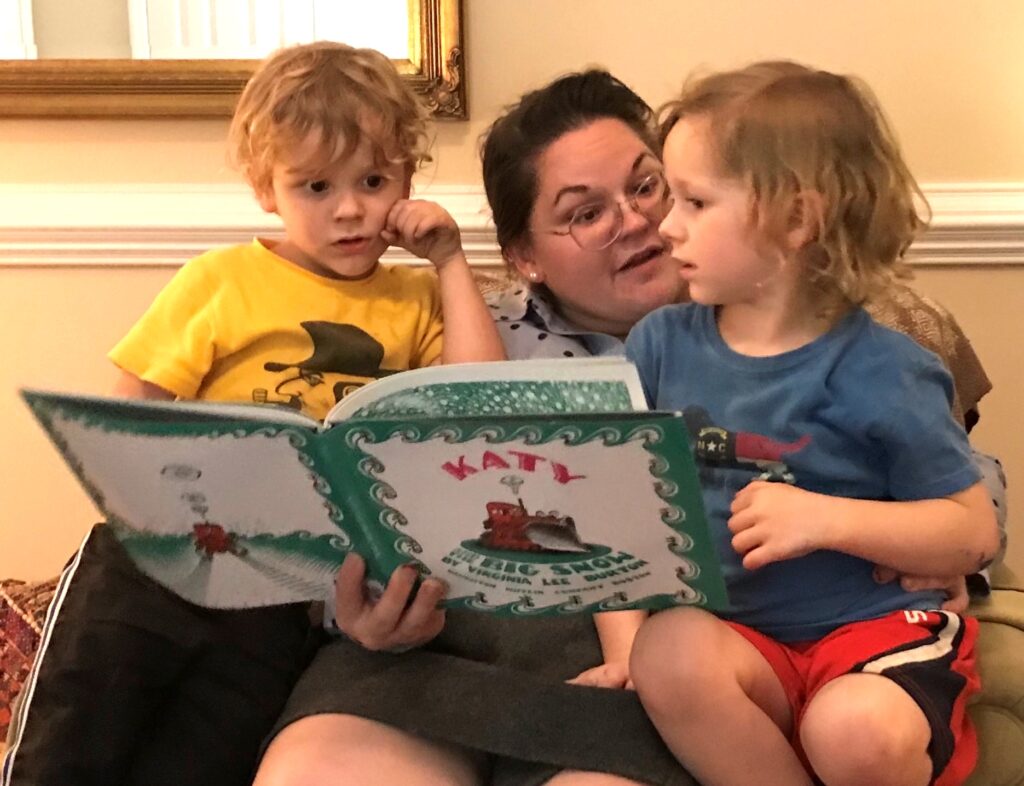
Kathleen, a second-generation homeschooler, with her boys.

This perceptive mom pinpointed the overload of teachable moments in my household—and other households with curious parents. Not only did I want my children to learn from any educational opportunities, but also, I wanted to learn. Loaded with new knowledge and understanding due to homeschooling, how could I not pass along new connections as soon as I discovered them?

What could be better than delving deeper into past or current lessons? My sons’ answers: Legos, Playmobils, baseball, and Redwall books—eventually replaced by music, running, and computers.

Kathleen ended with this advice: Keep teachable moments short, responding to cool things as a parent and not as a teacher.

*Used with permission.

Homeschooling

Teachable Moments

While homeschooling, I seized opportunities to make connections between academic learning and everyday life. I referred to these chances as “teachable moments.”

After graduating, one son participated in a panel discussion with other homeschool graduates. I did not attend so my son could speak freely. The next day, a mom said every student complained about school never ending.

Why did movies, news accounts, neighborhood events—almost anything—that related to a former or current school topic have to be discussed from a learning point of view?

A few weeks later, I reviewed the portfolio of a frustrated homeschool mom. After teaching her daughters about the fall of communism, Gorbachev was mentioned on the national news. “Wouldn’t any teacher want to connect current news to a history lesson?” she asked. “Why did the discussion make my daughters angry?”

Along the way, I learned that homeschooled students disliked and dreaded the “teachable moments” we parents loved and seized. I wish I had known to be more discerning about applying academic lessons.

How do you decide whether to ignore or seize a teachable moment?