
Family, Parenting, Relationships

A False Narrative

The movie I Tonya dramatized the 1994 assault on Olympic figure skater Nancy Kerrigan and its aftereffects. The screenwriter said the film was about

Things we tell ourselves in order to … live with ourselves … how we change the narrative and then want that to be the narrative.

Steven Rogers

This is devastating to those having a false narrative imposed upon them. Some friends and I are in that group.

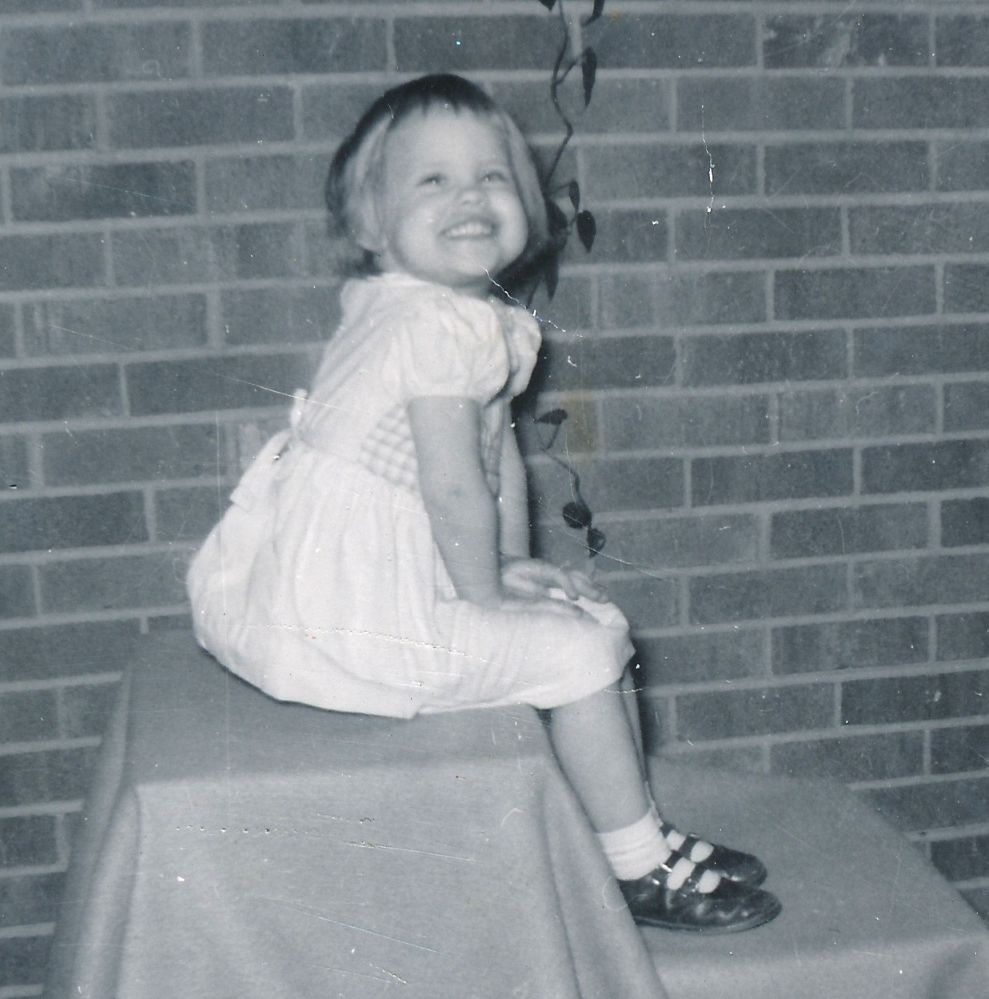
Yet, I have done the same. I told friends that my parents rarely read to me as a preschooler, and few picture books were in our home. I spoke the truth, I thought, until I poured over letters my grandmother had saved. (See here.)

Mollie calls her new Mother Goose book Mommy Goose.

Mollie knows the Three Billy Goats Gruff by heart.

letters to my grandmother
The owner of Mommy Goose

My false narrative is minor but still unfair to my parents.

How do we fight back? Prayer is the best offense once the false narrative is held tightly. We can prepare by telling the stories and showing the photos that contradict the seeds being planted by the enemy of our souls who wants to divide people, especially families.

Family

Family Language Pt.2

Our family language doesn’t always originate in “the wild minds of children.” (See here.) One day, I fretted over an incident. What was that far-away person, thinking?

Nothing can be known until Mr. Knightly returns.

My husband

I laughed. The tension was broken. Mr. Knightly is a character in Jane Austen’s novel Emma or, in my husband’s case, the movie. While Mr. Knightly is away, Emma frets over Mr. Knightly’s love interest. Emma’s former governess finally says, “Nothing can be known until Mr. Knightly returns.” My husband’s shortcut to making a point.

Movie quotes may not seem like familect, but it is. A friend’s family quotes Home Alone. I’ve seen that movie twice but don’t recognize any lines. Once, an in-law said, “She’ll be there by 10:30 tomorrow morning.” Seeing my blank stare, he added, “It’s from Runaway Bride,” and explained his joke, which of course, ruined it.

And there are the remembered conversations. After an elderly lady recounted a tale from her youth, the elderly man beside her laughed and said, “You tough lady,” which eventually became, “You funny lady.” My husband and I often repeat those words.  (Yes, I say “You funny lady” to my husband.)

Family

Family Language

Familect: the memory and meaning in our weird, family-specific, words often born of the wild minds of children.

Caitlin Gibson, The Washinton Post. September 3, 2025

Along the way, actually last month, I learned the word familect.

While not knowing the definition of familect, I experienced its beginnings over thirty-five years ago. My middle son asked for up-lups at bedtime. When my husband and I had no idea what he wanted and told him so, our son became more insistent. Finally, my husband said, “Show us the up-lups.”

I vividly remember the little finger pointing as my husband carried him down our long hall until the finger pointed to our 1950s pink-tiled bathroom and finally the bathroom cabinet. My husband opened the cabinet, and my son pointed to a bag of cough drops. My husband pulled them out, and our one-year-old helped himself.

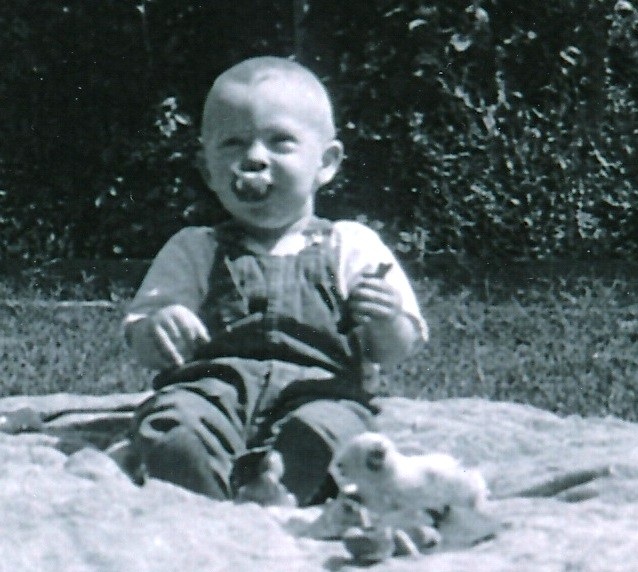
We’ve moved beyond smashed potatoes and pupcakes aka cupcakes, but up-lups have remained. And, as Gibson says in her article, familect is a sweet reminder of the simpler days. For our family, it’s when our now-grown son wore red short overalls and was beginning to walk.

May your familect bond and bless your family.

Family, Stories I Share

The Blessing of Unity

When my Uncle Floyd passed in 2020, I received the chance to make new memories with my brother. We spent more time together than we had since he drove me to graduate school in 1978.

Due to Covid-19, my brother and I were the only family members at the funeral. Aside from a model train set, we were also the only heirs. As we went through Uncle Floyd’s possessions, we shared memories, perspectives, and generosity.

My brother identified my grandfather’s sacred M&M dish. (My grandfather never shared.) My brother admitted he snuck them. “The clank of that lid was loud,” he said. Law-abiding Mollie was shocked.

We laughed over an 18-inch Santa in a sealed box. “I guess one night Uncle Floyd turned on QVC and thought, ‘Perhaps I should order that Santa,’” my brother said.

I treasured our unity. He took the Santa. I took the M&Ms dish. He transported my choices that I couldn’t take on the plane—cast-iron skillets, handmade quilts, and my Aunt Margie’s 1928 toddler’s chair. We agreed on items to give to give non-heirs. We didn’t argue over anything.

Behold how good and pleasant it is when brothers dwell in unity! Psalm 133:1(ESV)

Family, Friendship, Parenting

The Power of Cake

All the world is a birthday cake, so take a piece, but not too much.

George Harrison.

I have incredibly wonderful memories of my grandmothers. Unconditional love, sacrifice, understanding, laughter, special gifts, family stories, and more. I remember some of those in detail but not all.

However, I remember in detail the cakes my grandmothers fed me. Almost forty years after my last bites, I can visualize the appearance and recall the taste of homemade apple stack cake made by Mamaw and the red velvet and coconut cakes Grandmommy bought from Miller’s Bakery.

What’s another cherished childhood memory? The rainbow cake my parents bought from Glenwood Bakery. That Saturday outing lasted only one or two years, but the memories have lasted sixty. The colorful layers that were revealed after that moist cake was cut were marvelous to my young eyes.

My book club shares their cake details and photos.

I hadn’t thought about my childhood cakes until I read the opening quote by George Harrison. I googled the psychology of cake, and the best description is below.

Cake is not just a food; it’s an emotion.

Anonymous

Let’s take seriously the joy of cake and its effects on us.