
Friendship, Parenting

Their Longings Not Yours (Reprise)

Do not do unto others as you would that they do unto you. Their tastes may not be the same.

George Bernard Shaew

The quote above does not negate the Golden Rule found in Jesus’s Sermon on the Mount. It gives guidance. Love, acceptance, and respect look different to different people.

A friend showed me a wedding present that was different from her tastes and would never be used. We were amused by it. However, my friend’s perspective changed when the giver shared that the item was the one wedding gift she had longed for thirty years earlier but had not received.

Four summers later, I was pregnant with my first child. An acquaintance delivered her first child a month before me. During church announcements, we were urged to visit her that afternoon. My husband thought we should. I disagreed. Hours after delivery, I wouldn’t want a room full of close friends, certainly not acquaintances.

I was wrong. Lindy was disappointed we had not joined the crowd.

How do you discern?

Maybe raising children was just giving them the things you loved most in the world and hoping that they loved them too.

Kevin Wilson, Nothing to Look At

Friendship, Parenting

Emotional Vulnerability

A broken washing machine made me realize that I had friends I would impose on and friends I wouldn’t. (See Dirty Laundry Vulnerability Here.)

After I explained the dirty laundry versus non-dirty laundry friend distinction to a dear prayer partner, she replied, “Same goes with your emotional dirty laundry.” During the rest of our conversation, we referred to several prayer items as “emotional dirty laundry.”

I thought about our conversation as I checked off errands that day. I wanted to be the friend that could accept someone’s emotional dirty laundry, even if I couldn’t make it clean. I wanted my friends to know they were safe with me.

More importantly, I wanted to be the mother whom my children saw as safe to handle their emotional dirty laundry. During most of their childhood and adulthood, they only brought me their physical laundry to sort and clean. Focusing on my to-to list—including physical laundry—created barriers to emotional laundry.

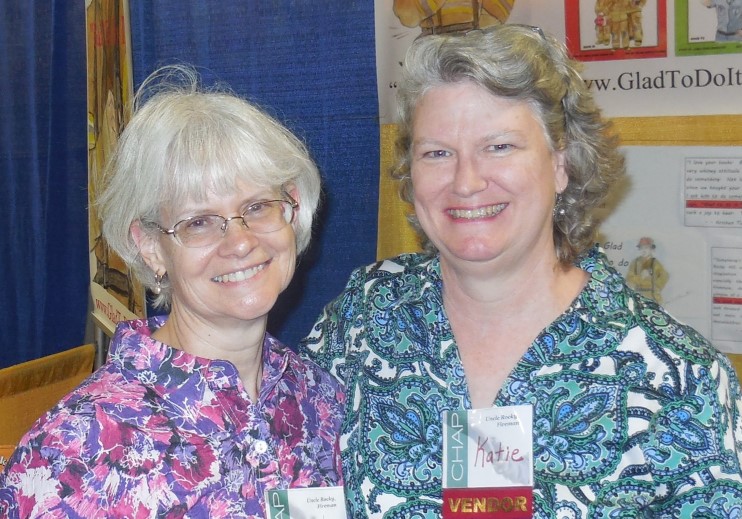
Katie and I have been giving each other our emotional dirty laundry for almost three decades. (CHAP Homeschool Convention 2014)

How is your emotional dirty laundry? Giving? Receiving?

Friendship

Dirty Laundry Vulnerability

Occasionally, I would realize that I had subconsciously divided friends into categories.  Late one night, my washing machine refused to drain water and forced a new, unexpected division.

I was stuck with towels and flannel nightgowns to wring by hand. The next morning, I asked my neighbor across the street if I could spin the overly wet clothes in her machine. She insisted on drying them as well because she didn’t want me carrying wet clothes home.

Soon, I needed use of a washer.  My temporary friend categories became friends you take your dirty laundry to and those you don’t. No one actually refused because I was careful about whom I asked. Some women I allocated to the second category were long-standing friends.

After a few days of imposing, I found that there were different categories. When I mentioned I was awaiting the delivery of new appliances, women who had been in the “No Dirty Laundry” category earnestly, voluntarily offered their machines. They were more flexible and accommodating than I understood. Later, I realized the true division was whom I was willing to be vulnerable with and whom I wasn’t.

Has vulnerability brought you unexpected help?